
"Take 5 Seconds": Cyber Safety Class Takes Place in Gomel
On 25 September, Gomel hosted an educational class as part of the #ionline project and #Take5Seconds information campaign which aims to raise awareness of cyber fraud. A1 experts came to the Territorial Social Security Centre of Tsentralny District of Gomel to talk about common online fraud schemes and the importance of protecting your personal data on the Internet.
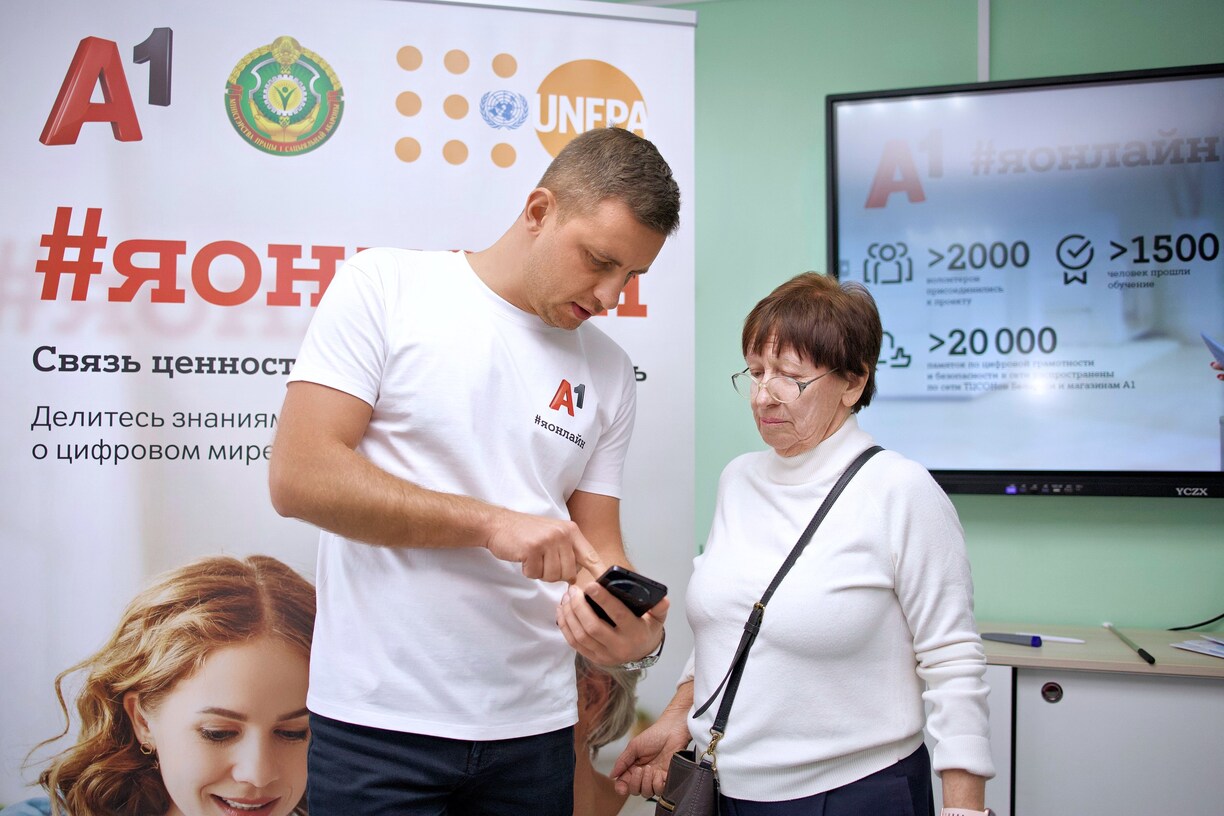
The Internet and mobile devices have long become a big part of our everyday lives. Unfortunately, as technology is advancing, fraud schemes are becoming increasingly sophisticated as well. In addition to fake websites and annoying calls, cyber criminals nowadays have a bunch of new tools in their arsenal. For example, they're using AI to imitate the voices of the victim's family members and friends. Anyone, regardless of age and digital competence, runs a risk of falling victim to scammers.
To provide senior people in Gomel with a much-needed guidance through digital threats, A1 has held an educational class in cyber safety. The event turned out to be lively and engaging. Instead of boring theory, A1 focused on real-life cases, common digital fraud scams, and step-by-step instructions on how to protect yourself against cybercrime.
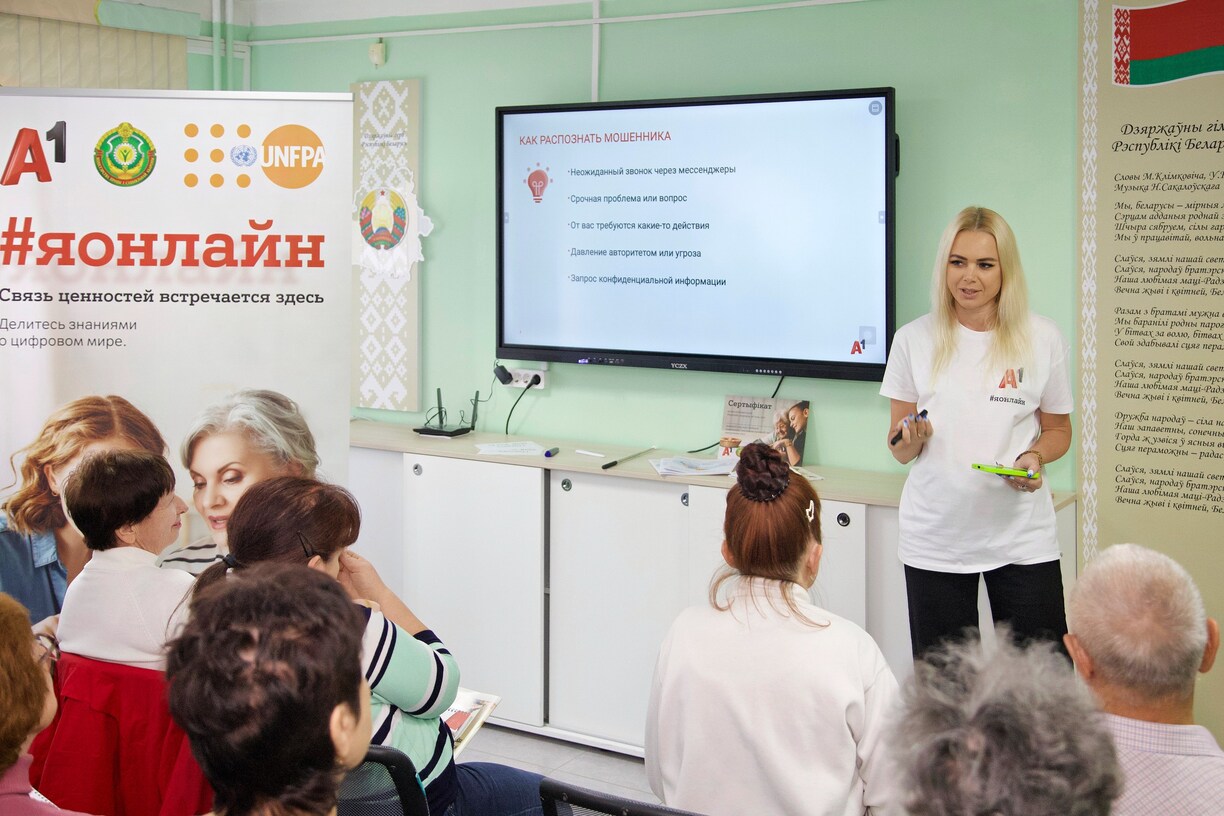
A1 experts explained to senior people that cyber scammers may know the names of their loved ones or introduce themselves as bank employees, public officials or telecom operators. Even if a request sounds convincing, you should not do what strangers are asking you to. The participants were taught a very useful rule of thumb that says "Take 5 seconds to think before making a decision, whether it's clicking an unknown link, sharing personal data or authorization codes, or taking a suspicious call in a messenger."
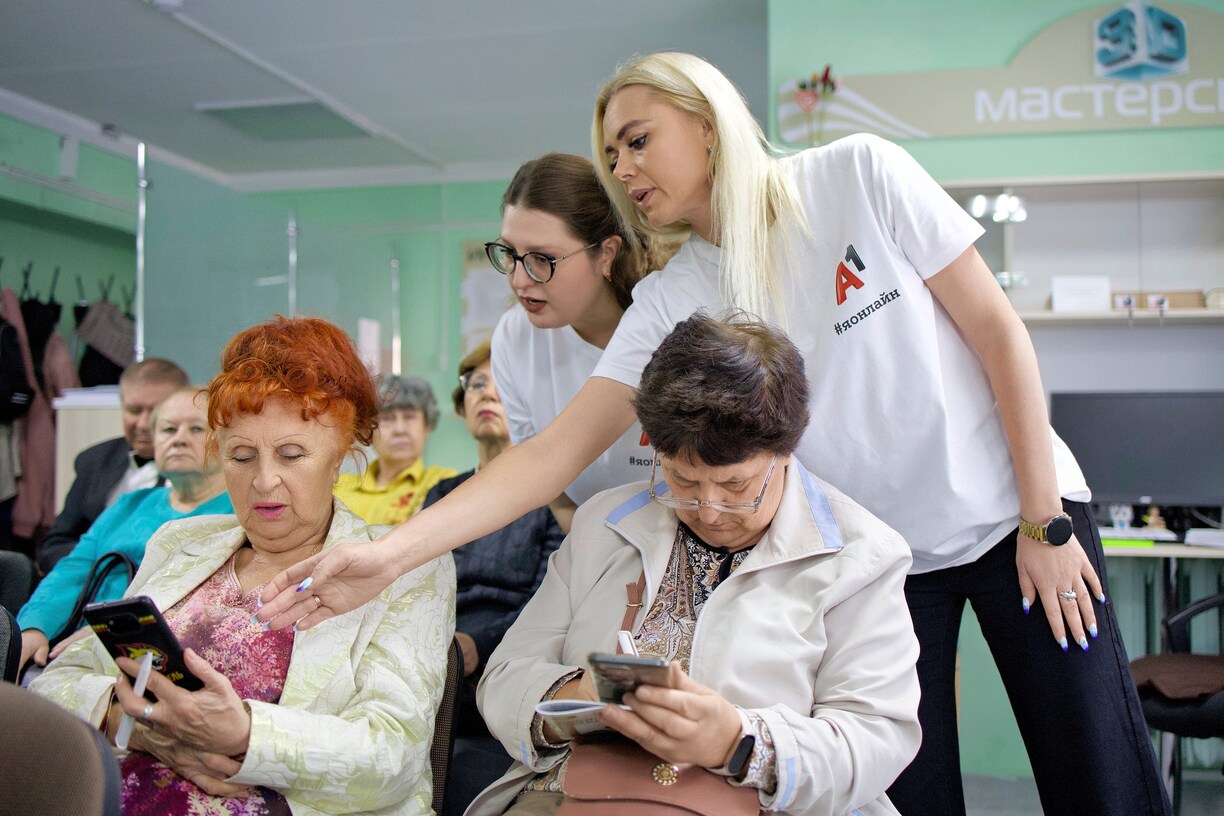
On top of that, A1 experts taught the seniors to identify "red flags" in suspicious calls and messages:
- calls in messengers from unknown numbers, mostly from abroad;
- "urgent problems" you have never heard of before;
- requests to transfer money, install an app or click a link;
- emotional pressure and threats;
- requests to share SMS codes, usernames, passwords, and bank card details.
Finally, A1 employees focused on how to behave in a stressful situation. If a person is asking you for money or immediate action, take a break to calm down. The best way is to end the conversation under a pretext that has nothing to do with the topic of the conversation but prevents the caller from persisting. Don't try to end the conversation in a polite way. Ending the call would be best.
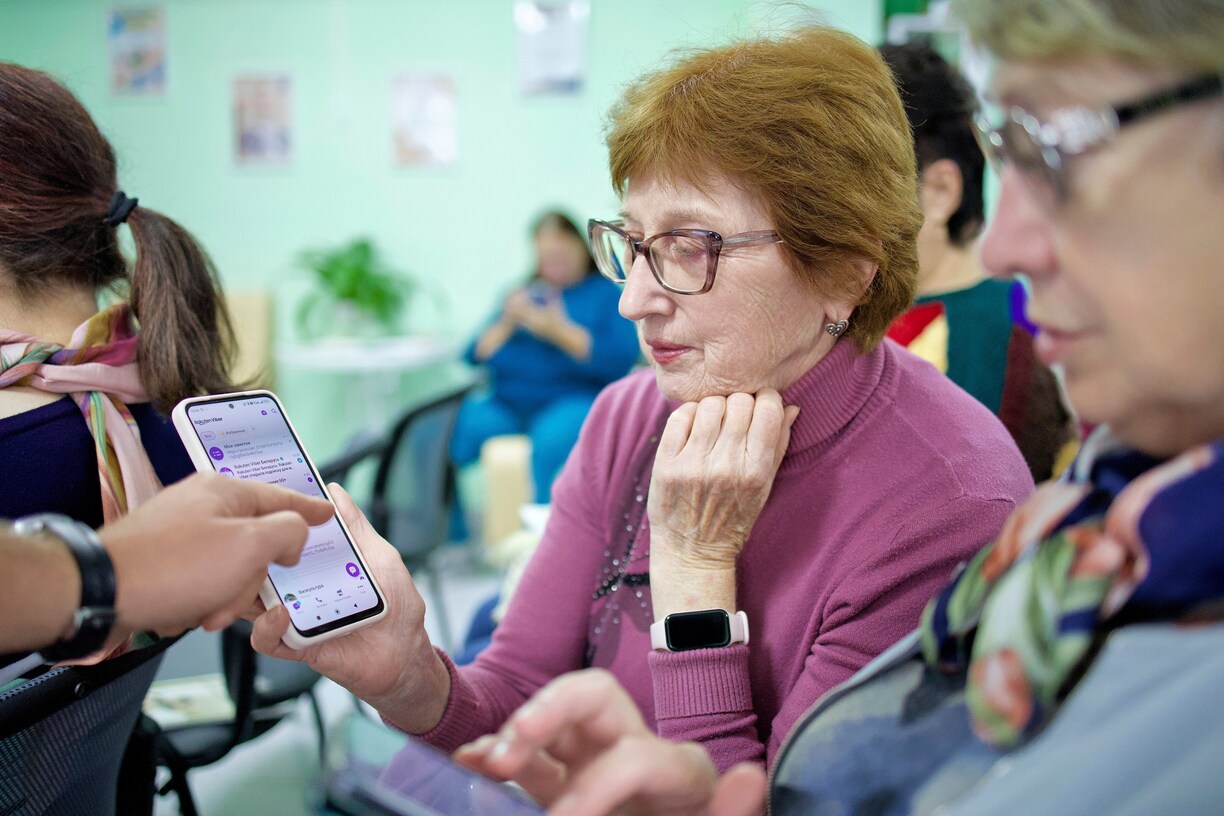
In addition to practical tips, A1 experts talked about the Safe Internet service. The service offers protection from phishing, viruses, and data leaks by blocking malware websites. There is no need to install any additional software. You simply need to activate the service via the My A1 app.
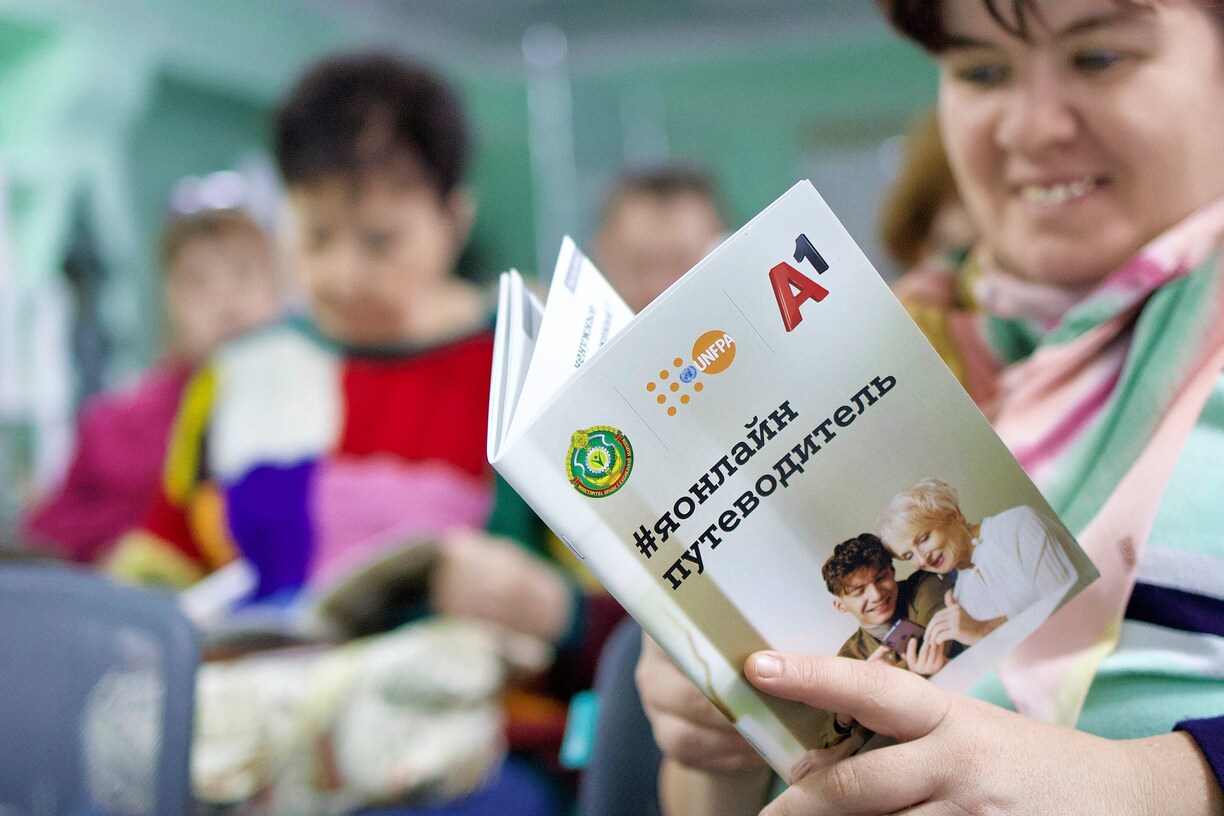
Together with the United Nations Population Fund (UNFPA) and the Ministry of Labour and Social Protection of the Republic of Belarus, A1 has been implementing the #ionline project since 2020. The initiative combines the efforts of more than 2,000 volunteers throughout the country. The goal is to help senior people learn more about online technologies and boost their digital literacy. Last year, A1 launched the #Take5Seconds information campaign to warn users to be on their guard against suspicious calls and messages.